


Gainesville Citizens Protest U.S. Military Intervention in Venezuela Following Maduro Capture
GAINESVILLE, Fla. — Dozens of Gainesville residents gathered Sunday afternoon to voice their opposition to U.S. military intervention in Venezuela, just days after Venezuelan President Nicolás Maduro was captured by American forces in a dramatic military operation.
The protest comes in response to the January 3rd military strike that resulted in Maduro’s capture and removal from Venezuela, an action that has sparked both celebration and condemnation across Florida and throughout the international community.
Protesters carrying signs reading “Hands off Venezuela” and “No blood for oil” marched through downtown Gainesville, echoing concerns about American foreign policy and potential motivations behind the intervention. The demonstration reflects growing unease among some North Central Florida residents about the Trump administration’s increasingly aggressive stance toward the South American nation.
“We’re seeing history repeat itself,” said one protest organizer who declined to give their name. “When the United States gets involved in another country’s politics, it means death, destruction, and despair for ordinary people.”
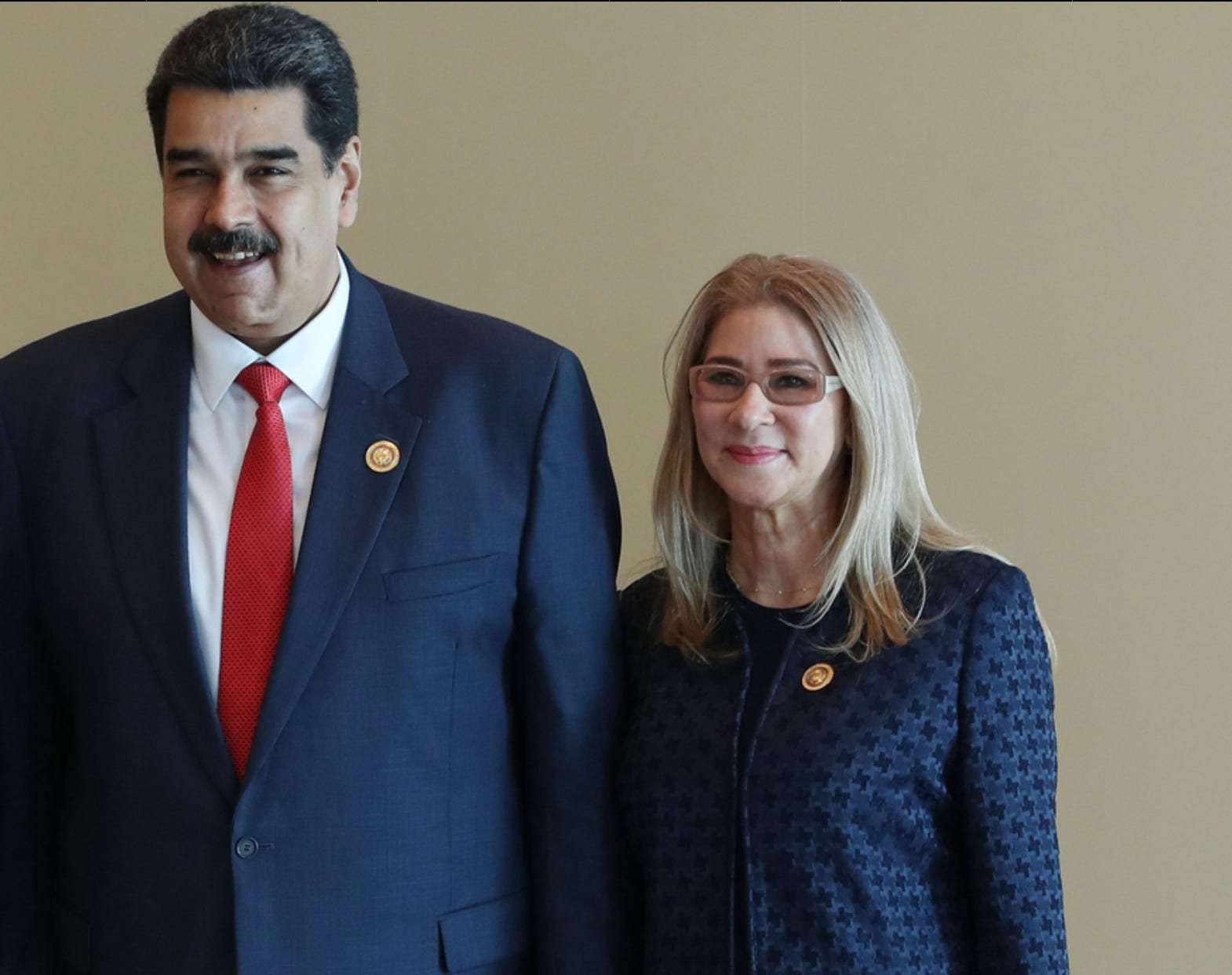
The U.S. military operation, which involved elite Delta Force units supported by FBI personnel, targeted Caracas in what officials described as a “large-scale strike” to capture Maduro and his wife, Cilia Flores. The couple now faces drug trafficking and weapons charges in Manhattan federal court, with Maduro proclaiming his innocence and maintaining he is “still president of Venezuela.”
The intervention has revealed deep divisions within Florida’s diverse communities. While many Venezuelan-Americans, particularly in South Florida, have celebrated Maduro’s removal after years of economic hardship and political repression under his leadership, others view the U.S. action as a dangerous precedent that violates international law and Venezuelan sovereignty.
“The United States obviously has good intentions, but those intentions come with a cost,” said Carlos Garrido, president of the Florida State University Venezuelan Student Association, acknowledging concerns about American interests in Venezuela’s vast oil reserves. Venezuela possesses the world’s largest proven oil reserves, and some critics argue the intervention is primarily motivated by energy interests rather than democratic ideals.
The Trump administration has sent mixed signals about its long-term intentions. President Trump initially stated that the U.S. would “run” Venezuela for an unspecified period, promising to bring in American oil companies to invest billions in the country’s energy sector. However, Secretary of State Marco Rubio later clarified that the U.S. does not intend to manage day-to-day governance but will instead use existing oil sanctions as leverage to influence policy changes.
International reaction has been swift and largely critical. China has demanded Maduro’s immediate release, calling the operation “state terrorism,” while Cuba reported 32 of its citizens killed during the strikes and declared official mourning days. North Korea has also condemned the action, using it to justify its nuclear weapons program by citing the fate of leaders who gave up their weapons programs.
The situation in Venezuela remains fluid, with Vice President Delcy Rodríguez being sworn in as interim leader while simultaneously extending an olive branch to Washington, inviting cooperation on “shared development” and “lasting community coexistence.”
For Gainesville protesters, the intervention represents a troubling escalation of American military involvement in Latin America. Many expressed concerns about the potential for prolonged conflict and the impact on Venezuelan civilians already suffering from years of economic crisis.
“This isn’t about supporting Maduro or his government,” explained one protester. “It’s about opposing military intervention and supporting the right of Venezuelans to determine their own future without foreign interference.”
The protest reflects Gainesville’s history of activism on international issues, with the University of Florida community often serving as a hub for political engagement and debate. As the situation in Venezuela continues to evolve, local activists say they plan to maintain pressure on elected officials to pursue diplomatic rather than military solutions.
Maduro is scheduled to appear in federal court next week, where his attorneys plan to challenge the legality of his capture and assert his rights as a head of state. Meanwhile, the international community watches anxiously as the Trump administration navigates the complex political landscape of post-Maduro Venezuela.
The Gainesville protest serves as a microcosm of the broader national debate over American foreign policy, military intervention, and the balance between promoting democracy and respecting national sovereignty. As one protest sign succinctly put it: “Regime change begins at home.”
352News.com will continue to follow developments in Venezuela and local reactions to U.S. foreign policy. For updates on this story and other breaking news, follow us on social media and visit 352News.com.